

















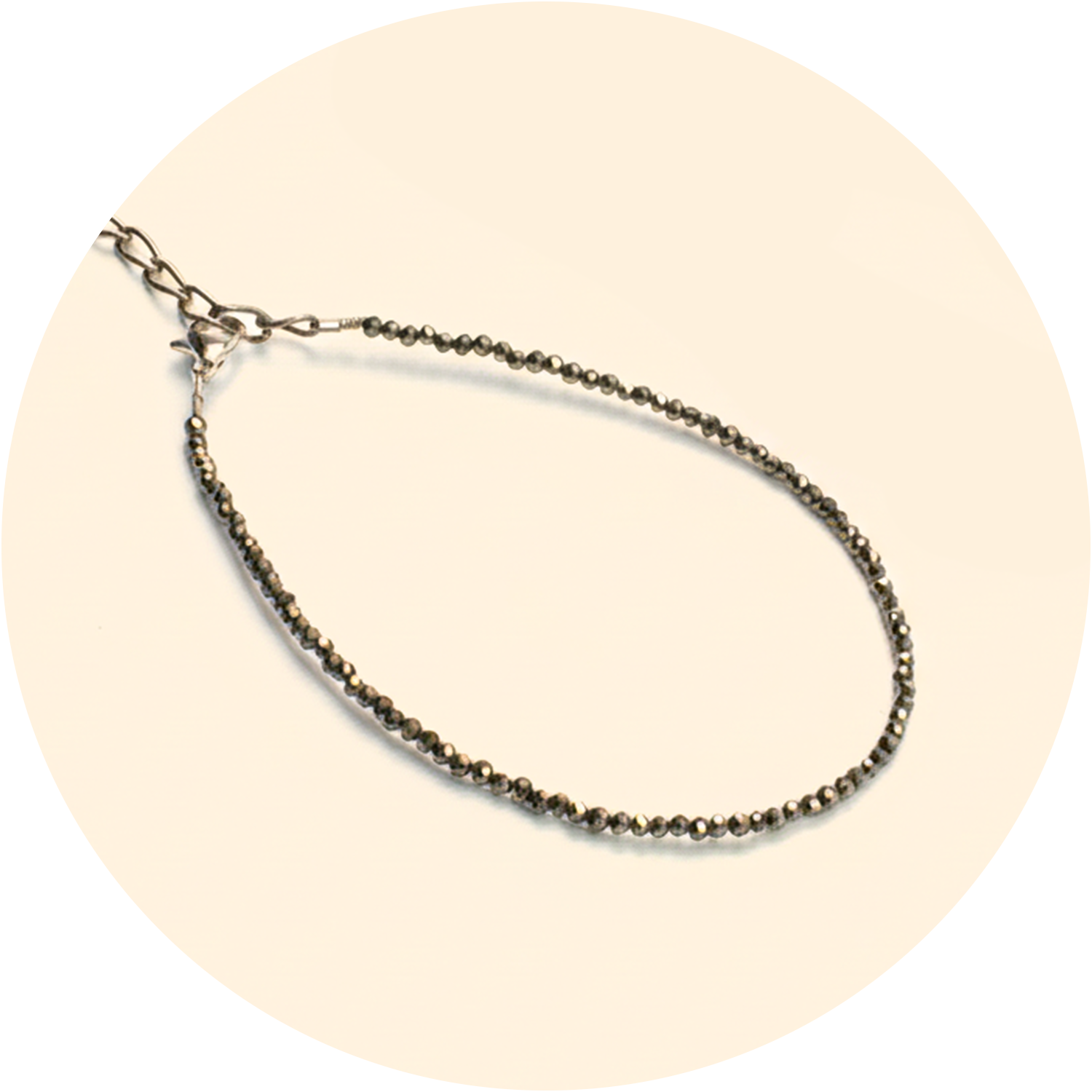

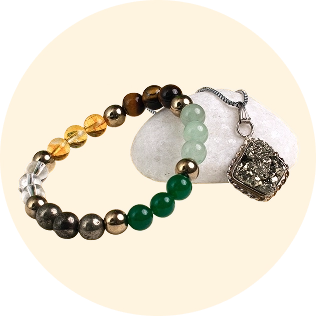







Crystals have become very popular today. People wear them as bracelets, keep them at home, or use them for healing, protection, peace, and abundance. But for someone new to crystals, one question always comes first:
“How do I know if a crystal is original or fake?”
This confusion is very common. Most beginners only recognise crystals by their names or colours. They do not know how real crystals feel, look, or form naturally. Because of this, many people unknowingly buy glass, plastic, or lab-made stones.
In this blog can understand what real crystal stones are, how they are formed, and how to identify them with confidence.
Understanding Real Crystal Stones and Their Natural Origin
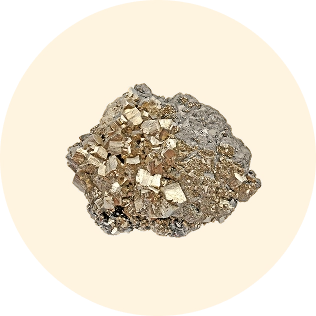
Original crystal stones are natural minerals formed inside the Earth. They develop over thousands or even millions of years under heat, pressure, and chemical reactions.
This slow natural process gives crystals their:
- Unique internal patterns
- Natural weight and density
- Cooling effect
- Subtle energetic vibration
Fake crystals do not go through this process. They are usually manufactured quickly using glass, resin, plastic, or synthetic chemicals. They may look attractive, but they lack natural structure and energy.
How Original Crystals Feel When You Touch Them
Touch is one of the easiest ways to understand a crystal.
When you hold an original crystal, it does not feel artificial. Even polished stones retain a natural presence.
You may notice that a real crystal:
- Feels solid and grounded in the hand
- Is naturally cool when first touched
- Does not feel hollow or lightweight
Artificial stones often feel:
- Warms very quickly
- Too light for their size
- Smooth in a plastic-like way
🚩This difference becomes clearer once you hold real and fake stones side by side.
Texture: Why Real Crystals Are Never “Perfect”
Nature does not create perfection in the way machines do.
Original crystals almost always have:
- Tiny surface unevenness
- Internal lines or cloudy formations
- Natural growth patterns
These features are not flaws. They are signs of authenticity.
Fake crystals are often made in moulds. That is why they look:
- Extremely smooth
- Identical to each other
- Too polished and glossy
🚩If every bead or stone looks the same, it is a warning sign.
Understanding Beads in Crystal Bracelets and Malas
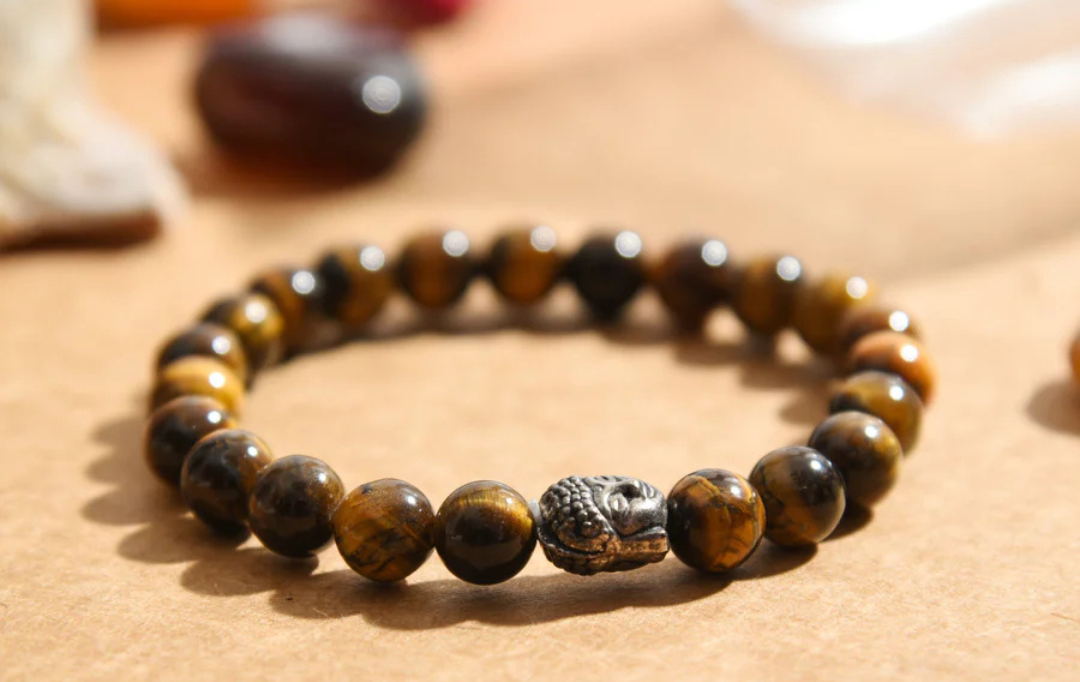
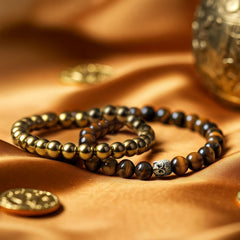
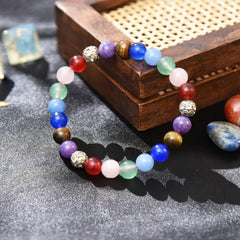
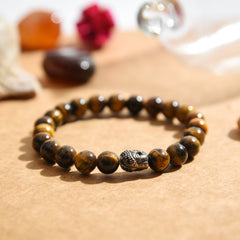
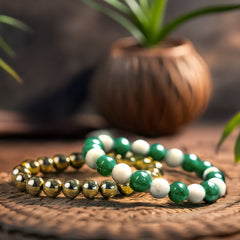
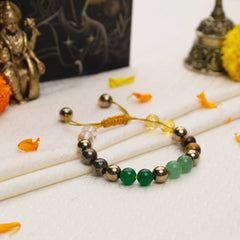
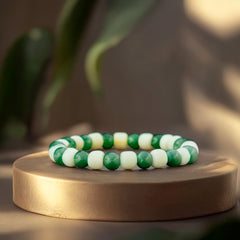
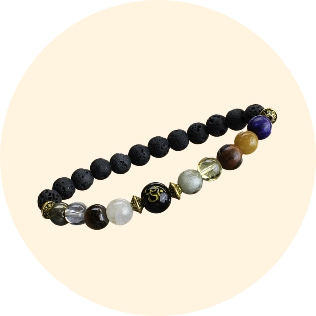
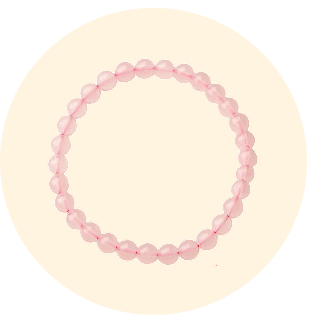
Many people buy crystals in the form of bracelets or malas. Beginners often expect all beads to look exactly alike. But real crystals do not behave that way.
In original crystal beads:
- Slight size variation is normal
- Some beads may be clearer, others cloudy
- Color depth may differ bead to bead
This happens because each bead is cut from a different part of the stone.
In fake crystal beads:
- All beads look identical
- Surface shine looks artificial
- No internal texture is visible
🚩Uniformity usually indicates machine production.
Natural Color vs Artificial Color
Color is important, but it can also be misleading. Original crystals have natural color depth, not flat color. Their shade may look slightly uneven, soft, or layered.
For example:
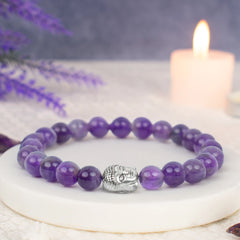
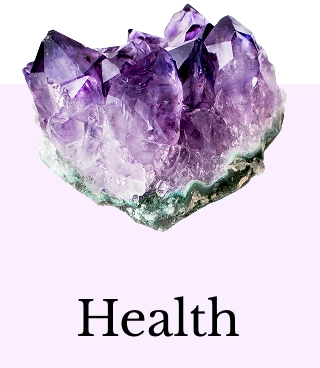
- Amethyst may show light and dark purple areas
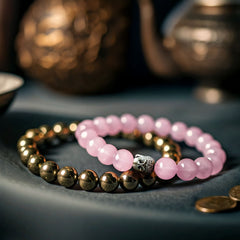
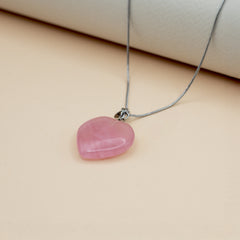
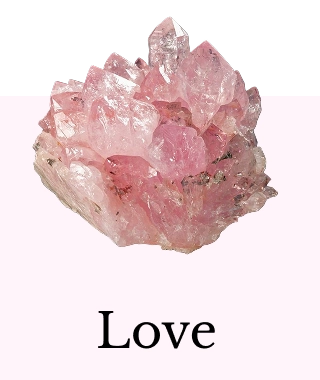
- Rose Quartz often looks milky, not bright pink
- Citrine ranges from pale yellow to honey gold
Fake crystals often have:
- Very bright or neon colors
- Completely even shade throughout
- Color pooling near holes or edges
🚩This usually means the stone has been dyed or painted.
What You See Inside a Crystal Matters
Hold a crystal near light. Original crystals usually show:
- Natural lines
- Cloudy or misty formations
- Mineral inclusions
Fake glass stones may show:
- Perfect round air bubbles
- Very clear interior with no structure
🚩Round bubbles are a strong sign of glass, not natural crystal.
Why Real Crystals Feel Heavier?
Original crystals are minerals. Minerals have density. That is why real stones feel noticeably heavier than plastic or resin stones of the same size. If a crystal feels unusually light in your hand, especially if it is large, you should question its authenticity.
Sound Test: A Simple Observation
How Real Crystals Are Sourced?
Authenticity is deeply connected to how and where a crystal is sourced.
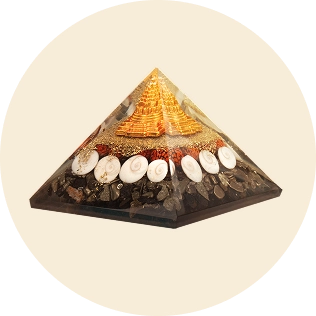
Original crystal stones are naturally formed inside the Earth. They are mined from specific regions, carefully extracted, and then cut and polished into usable shapes like beads, pyramids, or raw pieces.
Each crystal type has well-known geographical origins around the world, and knowledgeable sellers are usually transparent about these details.
🚩 If a seller is unable to clearly explain the stone’s origin or sourcing process, it should raise concern. A lack of sourcing information often indicates uncertainty about the crystal’s authenticity.
Why Imperfections Are Actually a Good Sign
Many beginners think cracks or marks mean poor quality. In reality, natural imperfections prove authenticity.
Real crystals may have:
- Growth lines
- Mineral spots
- Internal fractures
These occur naturally during formation and make every stone unique.
🚩Perfect symmetry often indicates artificial manufacturing.
Energy Awareness (For Those Who Are Sensitive)
Some people notice subtle feelings when holding a real crystal.
They may experience:
- Calmness
- Grounding sensation
- Gentle warmth or tingling
Not everyone feels this, and that is okay. This should never be the only test. But many experienced users trust this connection.
Price and Authenticity
Original crystals require mining, processing, and skilled polishing. This involves cost. If a crystal is sold at an extremely low price compared to market standards, authenticity becomes doubtful.
Cheap prices often indicate:
- Glass replicas
- Dyed stones
- Synthetic materials
Where Should One Buy Original Crystal Stones?
For beginners, the safest option is to buy from a trusted spiritual store rather than random marketplaces.
A reliable seller usually provides:
- Clear product descriptions
- Natural sourcing assurance
- Quality control
- Spiritual relevance of the stone
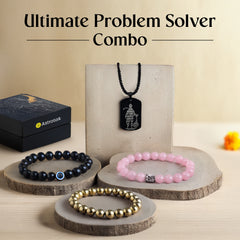
If you are looking for authentic crystal products curated for spiritual use, you can explore the astrotalk.store.
Their collection includes crystal bracelets, malas, and spiritual items selected with authenticity and energy alignment in mind.
FAQs: Identifying Original Crystal Stones
1. Can a beginner really identify real crystals without tools?
Yes, by observing texture, weight, colour depth, and internal patterns.
2. Are cracks inside a crystal a bad sign?
No, natural inclusions and cracks are signs of real crystal formation.
3. Are dyed crystals completely fake?
They are natural stones but artificially altered, reducing their spiritual purity.
4. Why do original crystals feel cool initially?
Natural minerals retain temperature longer than synthetic materials.
5. What is the safest way to buy real crystals online?
Buy from trusted spiritual stores that clearly explain sourcing and authenticity.